
RDA Brakes Pads Replacement
Author: JRAutofix
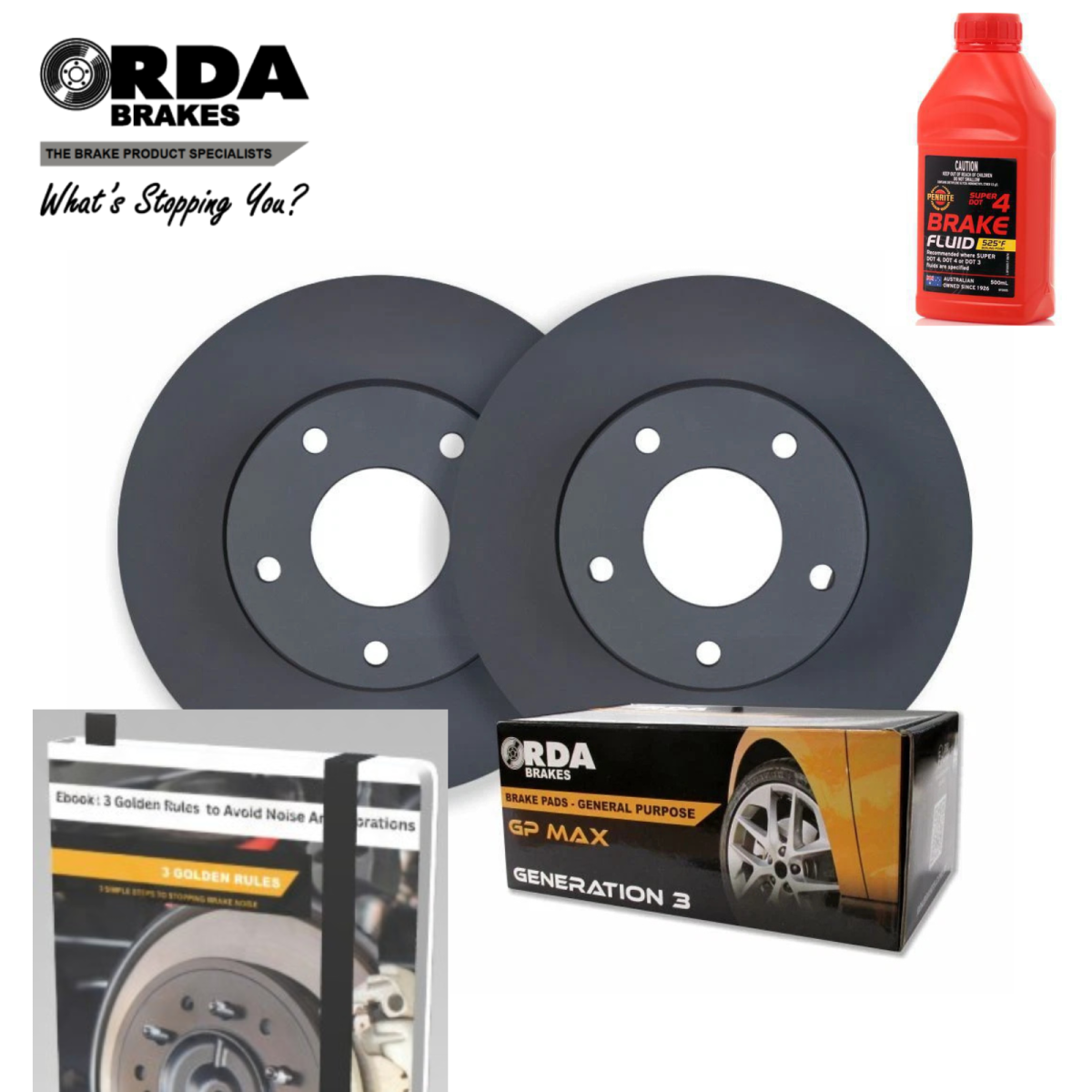 How to Change Car Brake Pads: The Complete Guide and More …
Changing your vehicle's brake pads is something that can be done at home so why not take advantage and save.
It’s also critical to maintain your car and keep it safe specially the braking system so it shouldn’t be delayed.
With the right advice changing brake pads is not a complex task so with a step by step guide it’s easy to achieve and you can learn more about your vehicle.
How often to replace brake pads
Brake pads will last anywhere from 12,000km up to 50,000km.
- It will depend on your style of driving and if you are driving is the city or countryside also how much weight do you carry or driving condition.
- Is squealing noise happening you should check the thickness of your pads. (The pad lining should be at least 3mm thick)
- Grinding: A harsh metallic grinding sound means the pad material is completely gone, and metal is rubbing on metal.
- Warning Light when the dashboard brake warning light comes on.
How to inspect brake pads
Without Removing Wheels
- Visual Inspection: Park on a level surface, ensure the car is cool, and use a light to look through the wheel spokes at the brake calliper. Locate the brake pad pressed against the rotor.
- Thickness: The pad lining should be at least 3mm thick.
- Check for Wear Indicators: Many pads have a built-in slot. If the slot is gone or nearly gone, the pad is worn out.
- Check All Four Wheels: Pads can wear unevenly; check the inner pad as well, as it often wears faster
On some cars you might have to remove the wheel which will allow you to have a more precise inspection as you get a clear view of the brake pads. A brake liner gauge set can be used to precisely measure the remaining thickness.
Choosing brake pads
Different quality in brake pads exist so depending on If you regularly carry extra weight, tow and drive in demanding conditions or if you just want to have better braking power and longer lasting pads.
Upgrading your braking components can make a real difference. Upgrades are designed to better manage heat, reduce fade, and maintain reliable stopping power when your vehicle is under load.
Manufacturers provide a range of performance pads which use different compound:
- Metallic
- Ceramic
- semi-metallic compounds
Each type has different levels of heat and friction resistance, which affects their performance and lifespan. Manufacturers include wear indicators in brake pads to let drivers know when it’s time for a brake pad replacement.
What is needed
Tools you’ll need for checking and servicing brake pads are:
- Jack and Jack stands
- Lug wrench
- C-clamp, Brake calliper piston spreader
- Brake cleaner, rags for cleaning
- Vacuum cleaner (brake dust)
- Wire brush
- New brake pads
- Safety gloves, glasses and mask
- Wheel cleaner
Step-by-Step Guide to Replacing Brake Pads
- Park your car on a flat surface and engage the parking brake. Wear gloves and safety glasses to protect yourself from dust and debris.
- Open engine hood and remove Brake fluid tank cap.
- Unlock wheel’s nuts (1/4 turn anticlockwise)
- Lift the vehicle with a jack and secure it with stands and check that it’s stable. (Never work on a vehicle that is not supported by vehicle stands)
- Using lug wrench loosen lug nuts, remove the wheel (place the wheel under the car for safety)
- With wire brush clean calliper and spay brake cleaner liquid if available.
- Calliper removal:
- Remove pressure between the calliper and old brake pads can be achieved with a screwdriver against the old brake pad to push the piston inwards enough to allow easy removal of the calliper.
- Unbolt the 2 slide pin bolts
- Slide the calliper off and attach it to avoid damaging the hose.
- With some callipers you might have to tap 2 pins out to remove some metallic clips that are holding the pads in position (Take note of the orientation of the spring clips! This will help with re-assembly).
- Remove the old brake pads (some pads have a backing plate shim that need to be replaced too) . Slide them out of the calliper bracket.
- To start the new brake pads installation, you first need to completely push the calliper piston inward to allow space for the new pads. Use a C-clamp or brake pad spreader tool for this. Place the old brake pad against the piston and slowly compress it until it’s fully retracted.
- Clean Components: Use brake cleaner to remove rust and old dust from the calliper bracket, slide pins, and abutment clips.
- At this stage you can check your rotor rotation to ensure there is no noise with your wheel bearing.
- Pads preparation: Ensure that you have the correct pads. As per pads manufacture some grease is supplied with the pads. The grease needs to be applied to: (essential for preventing noise, vibration, and uneven wear. The goal is to lubricate all metal-to-metal contact points except the friction surface that touches the rotor.)
- Backing Plate (Shim): Apply a thin layer of brake grease to the back of the brake pad where it meets the calliper piston.
- Pad Ears/Tabs: Lubricate the metal tabs (ears) on the ends of the pads that slide into the calliper bracket.
- Abutment Clips/Hardware: Apply a small amount of grease to the clips where the pad ears rest.
- Place the new pads into the calliper and ensure that they sit properly in their location.
- Refit the calliper, tighten the bolts as per manufacturer's recommended torque and check again the rotation of the rotor.
- Do a visual check ensure that everything is in order and tight with fluid hose in good condition.
- Reinstalling wheel, put the wheel back on and hand-tighten the lug nuts. Lower the car off the jack stands and finish tightening the lug nuts in a star sequence as per manufacturer’s torque prescribe.
- Pump the brake pedal a few times (do not exceed 50% pedal travel) to allow the pistons to push and help locate the brake pads against the discs for the first drive. Once the pedal is hard you are ready to test drive and bed in your new brakes.
- Check your fluid level, add more if required and refit and tighten the cap.
- Apply bedding in procedure.
What to observe when changing brake pads
Once you have installed the new brake pads, fit the wheels and rotate it by hand to verify that they rotate freely. The wheels should not drag, and there must be no scraping, grinding, or any other kind of mechanical noises present when you rotate the wheel.
If the wheels do drag, or there are mechanical noises present, remove the wheels, and retrace your steps to find and rectify the problem before placing the vehicle back into service. Not doing this could result in brake failure or seriously degraded braking performance.
How to bed in Brakes
Follow manufacturer instructions regarding bedding in brake pads.
If you are unsure which brake pads you need, the expert team at JRAutofix can match you with the right product for your vehicle make, year, model and use.
We have:
Type of brake pads
- GP Max General purpose Brake Pads
- Extreme Heavy Duty Brake Pads
- Phantom Ceramic Brake Pads
When to Replace Brake Rotors
There is a minimum thickness measurement provided by all manufacturers. Use a set of vernier callipers to measure the thickness of your brake disc and check against the minimum thickness specification.
Conclusion
Brake pads is a critical maintenance task that can be accomplished with the right knowledge and tools. By following this guide, you can ensure your vehicle remains safe and performs optimally.